
Pickleball Injuries!
The sport of pickleball continues to increase in popularity.
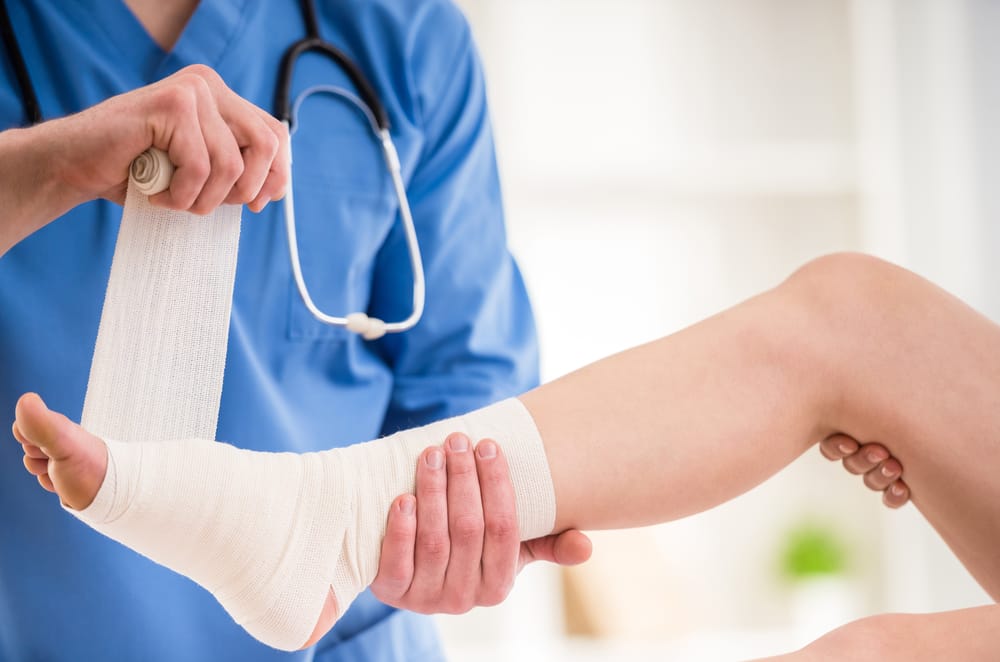
Unfortunately, with the increased popularity, there has also been an increased incidence of pickleball injuries.
Have you personally had a pickleball injury?
Do you know others who have had pickleball injuries?
I have two friends who have each dealt with a torn knee cartilage as a result of pickleball.
And another friend fell and broke her wrist requiring surgery for internal fixation of the fracture.
Pickleball is a sport, and just like other sports, injuries can occur.
But there are ways to minimize the potential risks.
Here are some recommendations:
Warming up properly - Many players get to the court and immediately start playing. No stretching. No jumping jacks. Etc.
Your muscles and tendons need time to get stretched and warmed up before full force activity on the court.
This includes muscles of the shoulders, elbow, wrist, lower back, hips, knees, and ankles.
Increasing your heart rate - If you start playing immediately with no warming up, your heart has to go from a resting heart rate of around 60-70 to a heart rate of 130-160 very quickly.
Your heart is also a muscle that also needs some warming up time.
Doing jumping jacks, jogging around the court, doing a series of lunges, etc. These activities will get your heart rate increasing in a controlled fashion prior to a full-on pickleball match.
Being adequately hydrated - Many players don't consider pre-hydration.
Pre-hydration is the act of drinking more fluids in anticipation of exercise. It is usually done in the hour or two prior to playing.
Pre-hydrating prepares your body for retaining fluids which helps your muscles tremendously.
Pre-hydrating also helps prevent dehydration. That is especially important in outdoor pickleball on hot days, but dehydration can occur with indoor pickleball even in the winter.
Wearing dedicated pickleball shoes - Many players think any athletic shoe is adequate. That is not true.
Pickleball requires a lot of side to side movement. Many shoes, even athletic shoes, are not made to accommodate those movements.
For example, running shoes are great for running and shock absorption but are not good at all for the pickleball court.
It is worth it to your feet and ankles to purchase good quality, dedicated pickleball shoes. Brands such as Babolat, Yonnex, New Balance, Fila, Skechers, and recently even Selkirk, offer shoes specifically for pickleball. There are other brands, too. The key is to be sure to get a "pickleball' shoe.
And, if you play frequently, you may need to get new shoes every 3 - 6 months, because they wear down quickly if you play even moderately competitive matches.
Improving your footwork - Many injuries in pickleball are a result of poor footwork.
Stretching out and overreaching with your arm to hit a return rather than taking an extra step or two with your feet can lead to shoulder muscle strains or wrist and elbow strains.
Jogging backwards, instead of turning and running to return a lob, can lead to falls.
These falls can result in broken wrists. That's what happened to my friend.
I also saw a player fall backwards and hit his head pretty hard on the court. He was ultimately alright, but it was very concerning at the time.
The key to prevent such issues is good footwork.
Those are some of my recommendations based on my experience and the experiences of others I know.
What additional recommendations would you add?
Stay safe!
Ben Holt
CEO, Pickleball Living
Hi, I Am Ben Holt
CEO of Pickleball Living
These blog posts cover topics of interest to all those learning, living, and loving pickleball.
Some will be funny. Some will be educational. And some will be more technical in nature.
But these blogs are designed to entertain, educate, and make you think!